Donec efficitur, ligula ut lacinia
viverra, lorem lacus.
Donec efficitur, ligula ut lacinia
viverra, lorem lacus.
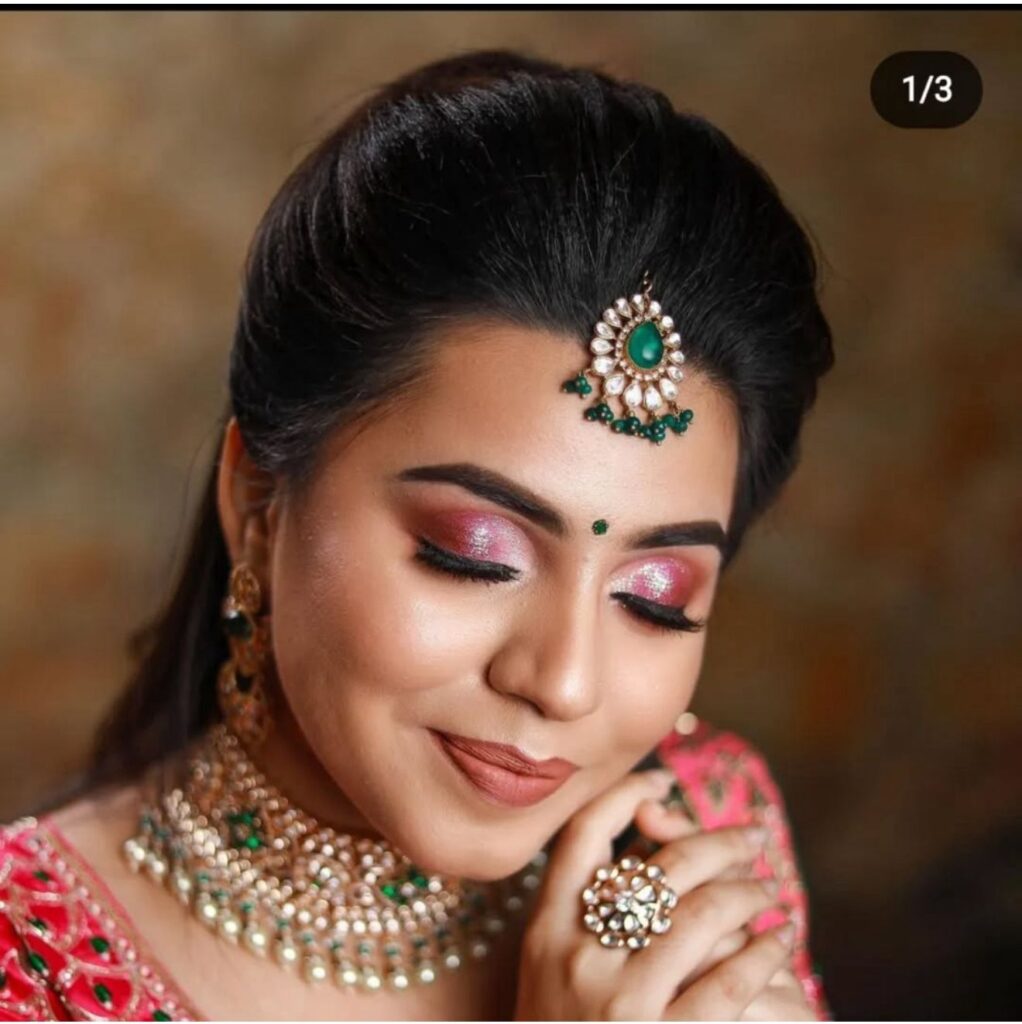
A Make up Artist is a professional who enhances or alters a persons appearance using Cosmetics, Make up, and sometimes wigs and other accessories. They apply makeup for various purposes including personal preference ,events like weddings, and professional shoots .Make up artists work in diverse fields, Including films, television , fashion and salons.
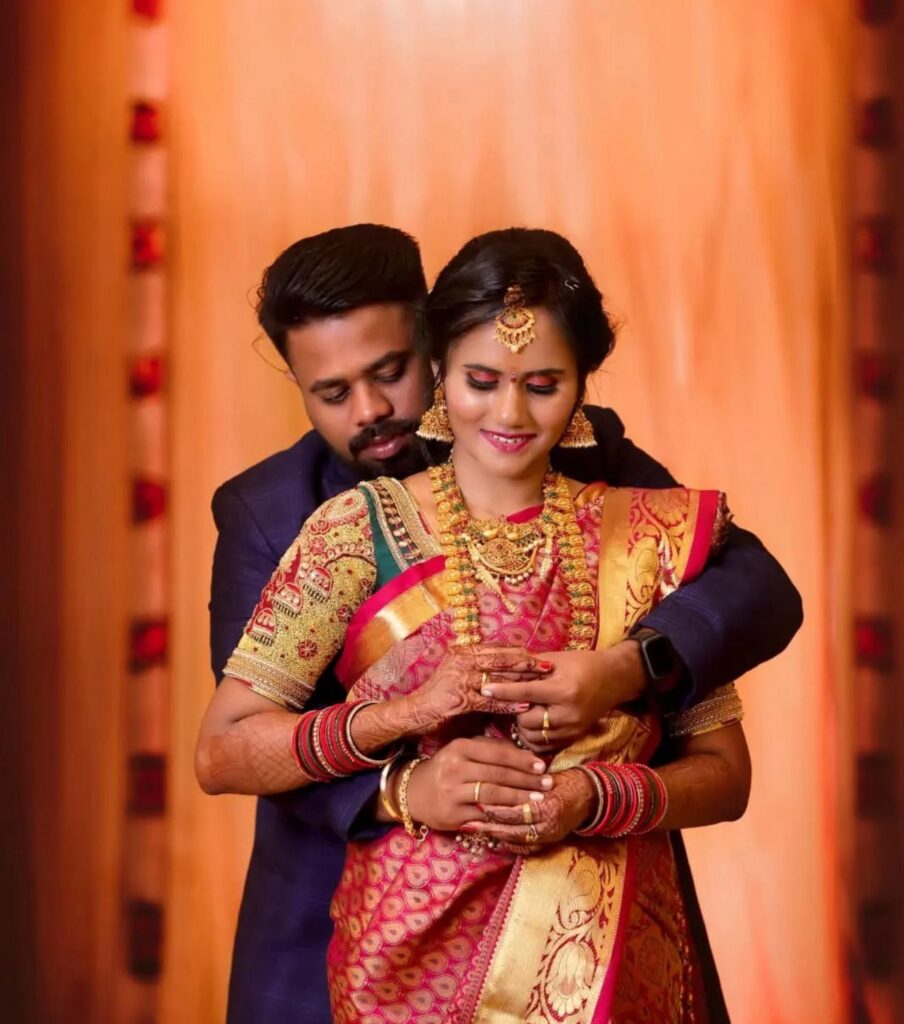
Introduction:
Client Consultation: Make up artist often starts by discussing the clients vision , Preferences ,and the event or the purpose for the makeup.
Diverse the Career Plans: The profession offers a wide range of specialization , including bridal make up, theatrical and special effects, beauty, make up and celebrity make up.
The Evolution: The Make up industry has witnessed significant changes , driven by trends, technology and evolving client demands.
The Profession: With the rise of social media , Online platforms, and personalized beauty services, the make up artist profession is adapting to new challenges and opportunities.
Ethical Consideration: Make up artists must adhere to ethical standards, including respecting client preferences, maintaining confidentiality and prioritizing safety.
Essential Skills for Make up Artist:
Technical skills: Proficient application of makeup products , including Foundation, Concealer, eyeshadow, eyeliner, mascara, and lipstick is fundamental.
Color Theory :Understanding color palettes, matching make up to skin tones, and creating harmonious color combinations is crucial.
Face Shaping and Contouring: Masterfully applying contouring and highlighting techniques to enhance facial features and create desired shapes.
Special Effects Make up: Creating realistic and dramatic look for the film theatre, and other productions, including prosthetics, and body painting.
Communication and Client Interaction: Effectively communicating with clients to understand their needs, preferences, and expectations.
Adaptability and Creativity:Embracing new trends, techniques and challenges while maintaining artistic flair.
Make up Industry Trends and Transformation:The Rise of Social Media:The impact of social media on make up trends, influencer marketing, and other online tutorials.
Evolving Client Demands: Shifting preferences for natural looks, bold colours and personalized services.
Technological Advancements: The use of digital tools , online platforms and augmented reality in the industry.
The Impact of Beauty Standards: The ongoing debate about inclusivity, diversity, and body positivity in the beauty world. Makeup Artist
Why become a make up artist?
The Future of Industry:Emerging technologies, sustainable practices, and personalized beauty solutions.
Building a Successful Makeup Artist Career:
Networking: Building relationships with other professionals, photographers, stylists, and other event organizers.
Building a Portfolio:Creating a compelling portfolio showcasing your skills and diverse looks.
Online Presence:Developing a website and social media presence to showcase your work and reach a wider audience.
Freelancing and Contract Work: Exploring opportunities for freelance work, contract positions and event bookings.
Hook of make up artist:
Continued Learning and Development:Staying updated with industry trends, attending workshops , and pursuing further education.
Managing Finances and Business Operations:Understanding pricing strategies, budgeting and marketing your services.
The Importance of Ethical Practices – Make up artist:
Client Confidentiallity: Maintaininig the privacy of client information and respecting their preferences.
Safety and Hygience:Adhering to strict hygience standards and using safety products to ensure client safety.Makeup Artist
Transparency and Honesty:Being Transparent with clients about services, pricing and limitations.
Respect for Diversity and Inclusivity:Working with individuals of all backgrounds, ethnicities, and body types.
Professionalism and Integrity:Maintaining a high standard of professionalism and ethical conduct of Makeup Artist.
Makeup Artist their dedication:Their dedication towards make up artist is highly important their patience for each client their requirements to be fulfilled.
Also they should travel in and around the cities to complete client requirements.
They should be very crucial about client make up for the photo shoot based on it waterproof , sweatproof, makeup to be done in a professional .Makeup Artist
Building a Makeup Artist Business:
Beauty, a concept often associated with aesthetics and pleasing appearance, extends beyond surface qualities. It encompasses a range of elements, from the captivating beauty of nature to the profound beauty found in human relationships and inner character. This article explores the multifaceted nature of beauty, examining its various expressions, its impact on human experiences, and the subjective nature of its perception.
The Varied Expressions of Beauty:
Nature, with its awe-inspiring landscapes, intricate ecosystems, and vibrant biodiversity, is a rich source of beauty. Mountains, oceans, forests, and deserts each offer their own unique aesthetic appeal, inspiring awe and a sense of wonder Makeup Artist.
Human art, architecture, music, and literature also embody beauty. These creations, born from creativity and imagination, can evoke emotional responses, inspire thought, and convey profound meanings.
Beauty can be found in the diversity of human appearance, from the subtle elegance of one person to the vibrant energy of another. Beyond physical appearance, beauty is also reflected in inner qualities like kindness, intelligence, and compassion.
Beauty can be found in the simplest of moments, such as the warmth of a sunset, the scent of rain on dry earth, or the joy of spending time with loved ones
Nature’s Grandeur:Nature, with its awe-inspiring landscapes, intricate ecosystems, and vibrant biodiversity, is a rich source of beauty. Mountains, oceans, forests, and deserts each offer their own unique aesthetic appeal, inspiring awe and a sense of wonder Makeup Artist.
The Impact of Makeup Artist:
Nature, with its awe-inspiring landscapes, intricate ecosystems, and vibrant biodiversity, is a rich source of beauty. Mountains, oceans, forests, and deserts each offer their own unique aesthetic appeal, inspiring awe and a sense of wonder Makeup Artist.
Exposure to beauty, whether in nature or human creations, can have a positive impact on emotional and psychological well-being. It can reduce stress, promote feelings of peace, and inspire creativity.
Nature, with its awe-inspiring landscapes, intricate ecosystems, and vibrant biodiversity, is a rich source of beauty. Mountains, oceans, forests, and deserts each offer their own unique aesthetic appeal, inspiring awe and a sense of wonder Makeup Artist.
Nature, with its awe-inspiring landscapes, intricate ecosystems, and vibrant biodiversity, is a rich source of beauty. Mountains, oceans, forests, and deserts each offer their own unique aesthetic appeal, inspiring awe and a sense of wonderMakeup Artist.
Beauty plays a significant role in shaping social and cultural values. It can be used to express identity, create social cohesion, and convey important messages
Nature’s Grandeur:Nature, with its awe-inspiring landscapes, intricate ecosystems, and vibrant biodiversity, is a rich source of beauty. Mountains, oceans, forests, and deserts each offer their own unique aesthetic appeal, inspiring awe and a sense of wonder Makeup Artist.
Beauty can serve as a source of inspiration and motivation. It can encourage individuals to pursue their dreams, make a positive impact on the world, and appreciate the richness of human experience.
The Subjectivity of Beauty:
Beauty standards vary across cultures and individuals. What one person finds beautiful, another may not. These differences reflect cultural norms, personal experiences, and individual preferences.
Perception plays a crucial role in how beauty is experienced. Our individual perspectives, emotions, and life experiences shape our understanding and appreciation of beauty.
While superficial beauty can captivate, true beauty often lies in the depth and complexity of human experience. It is found in the power of empathy, the beauty of kindness, and the richness of inner character
Nature’s Grandeur:Nature, with its awe-inspiring landscapes, intricate ecosystems, and vibrant biodiversity, is a rich source of beauty. Mountains, oceans, forests, and deserts each offer their own unique aesthetic appeal, inspiring awe and a sense of Makeup Artist.
Beauty is a multifaceted and subjective concept that enriches human lives in countless ways. From the awe-inspiring beauty of nature to the profound beauty of human relationships and inner qualities, beauty inspires, motivates, and elevates our understanding of the world. By appreciating the diverse expressions of beauty and acknowledging the subjectivity of its perception, we can cultivate a deeper appreciation for the richness of human experience and the world around us.
Makeup is more than just applying products to one’s face; it’s a form of self-expression, a tool for enhancement, and a complex industry with a rich history. From ancient civilizations to modern trends, makeup has evolved, reflecting cultural shifts and personal preferences. This article explores the multifaceted world of makeup, examining its purpose, history, and the evolving make up artistlandscape of beauty standards.
I. The Purpose of Makeup: Beyond Aesthetics
Makeup Artist.
Makeup serves various purposes, extending beyond mere beautification. Many individuals use it to enhance their natural features, create specific looks, or express their personality. It can be a tool for boosting confidence, transforming one’s appearance, or even masking imperfections. For some, makeup artist is a creative outlet, a way to experiment with colors, textures, and styles.
Makeup Artist Transformation .
II. The Evolution of Makeup: A Historical Perspective
The history of makeup is as old as human civilization itself. From ancient Egypt, where makeup artist was used for religious and aesthetic purposes, to the elaborate beauty rituals of various cultures, makeup has always played a significant role in human culture.
Ancient Egyptians used cosmetics for religious rituals, protection from the sun, and to enhance their appearance of make up artist.
The flapper era saw increased use of makeup, with dark eyes, red lipstick, and nail polish becoming popular of makeup artist.
The 20th century witnessed the rise of the cosmetics industry, with mass-marketed products and the introduction of new techniques.
Today, makeup trends are influenced by social media, celebrities, and evolving beauty standards.
Skills for Make up Artist:
III. The Complexities of Beauty Standards and Makeup Artist
Beauty standards have undergone significant changes throughout history, and makeup has often been used to conform to or challenge those standards. The pressure to meet certain expectations can be detrimental to self-esteem and body image of make up artist.
IV. The Makeup Industry: A Multi-Billion Dollar Business
The makeup industry is a global giant, with billions of dollars in revenue generated annually. The industry is constantly evolving, with new products, techniques, and trends emerging regularly of make up artist.
V. The Future of Makeup: Sustainable and Inclusive
The future of the makeup industry is likely to be shaped by consumer demand for sustainable, cruelty-free, and inclusive products.
Animal testing is a growing concern, with consumers increasingly demanding cruelty-free products. Saree draping is a traditional art form in India, involving the graceful manipulation of a long piece of fabric to create various styles and looks. It’s a skill passed down through generations, and mastering different draping techniques allows for expressing elegance, individuality, and cultural heritage of make up artist.
I. The Anatomy of a Saree: Before delving into draping styles, understanding the basic components of a saree is crucial. A saree typically consists of:
II. Essential Draping Techniques:
Securely tucking the saree’s non-pallu end into the petticoat (undergarment) at the waist, creating a neat foundation for the drape.
Creating neat, even pleats in the fabric, which are then tucked into the petticoat to form a structured front.
Draping the pallu over one shoulder, creating a flowing and graceful look. The placement of the pallu can vary depending on the draping style.
Tucking and adjusting the pleats to achieve a smooth and elegant look.
Pinning the pallu to the blouse to keep it in place, especially during activities or while sitting.
III. Popular Saree Draping Styles:
A widely adopted style where the saree is draped around the waist, creating pleats in the front and draped over the left shoulder.
A distinctive style featuring box pleats in the front and the pallu draped over both shoulders.
A style from Maharashtra where the saree is draped in a unique way, creating a full and voluminous look.
A two-piece saree with a lower garment (mundu) draped around the waist and an upper garment (neriyathu) draped over the shoulder.
A traditional saree style from Assam with two main pieces, the Mekhela (lower garment) and the Chadar (upper garment), draped in a specific way.
A modern twist on the saree, where the pleats are draped in a way that creates a pant-like appearance.
IV. Considerations for Different Occasions:
V. Accessorizing and Styling:
Hairstyles, including braids, buns, and updos, can complement the saree drape.
VI. Saree Draping as an Art Form
-Make up Artist:Saree draping is not just about dressing up; it’s a way of expressing cultural identity and heritage.
Different draping styles allow women to showcase their personality and creativity.
Materials and Tools: Nail art requires various materials and tools, including:
Popular Designs: Nail art designs are constantly evolving, with various trends emerging and fading over time. Some popular designs include:
Nail Art and Fashion: Nail art plays a significant role in fashion, reflecting current trends and personal styles. It can complement a specific outfit, enhance a look, or even serve as a focal point of an overall style. Social media platforms, such as Instagram and Pinterest, have further popularized nail art, showcasing various designs and inspiring individuals to experiment with color and style. Nail art offers a versatile and creative outlet for self-expression, allowing individuals to personalize their nails and add a touch of artistry to their overall look. With a wide range of techniques, materials, and designs to choose from, nail art continues to evolve and inspire creativity in the beauty
Makeup Artist:
If you want to be a professional then you must know all the above and may be have a speciality of make up artist in a few to ensure you have income coming from all the possibilities and directions .Just learning one way will be impossible and a very long way to a successful make up artist career.
Become a jack of all Trades!